Recently updated on September 25th, 2025 at 03:47 am
Challenges in Making Wood-Made Headphones
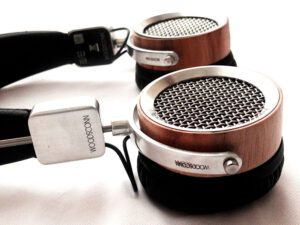
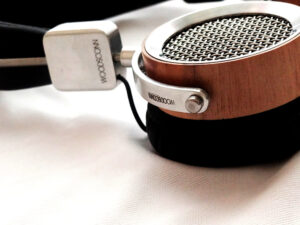
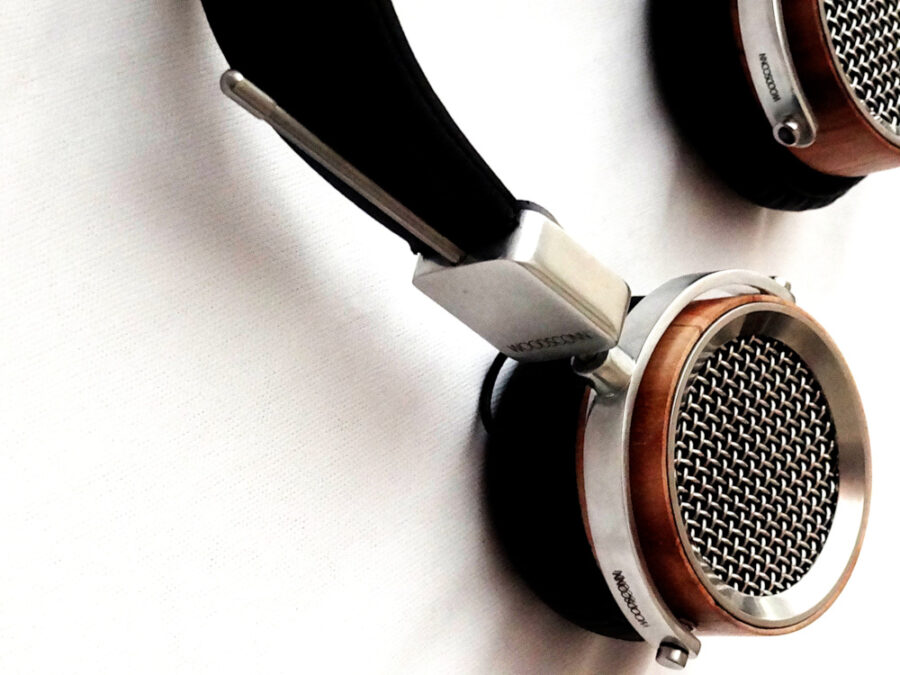
Wood-made headphones have become increasingly popular among audiophiles and music lovers. Unlike plastic or metal designs, wood offers a natural warmth, resonance, and aesthetic appeal that makes every pair unique. However, creating headphones from wood is not as simple as carving and assembling. Manufacturers face several challenges that make the process complex, time-intensive, and highly specialized.
In this article, we’ll explore the key challenges in making wood-made headphones and why they require such careful craftsmanship.
Selecting the Right Type of Wood
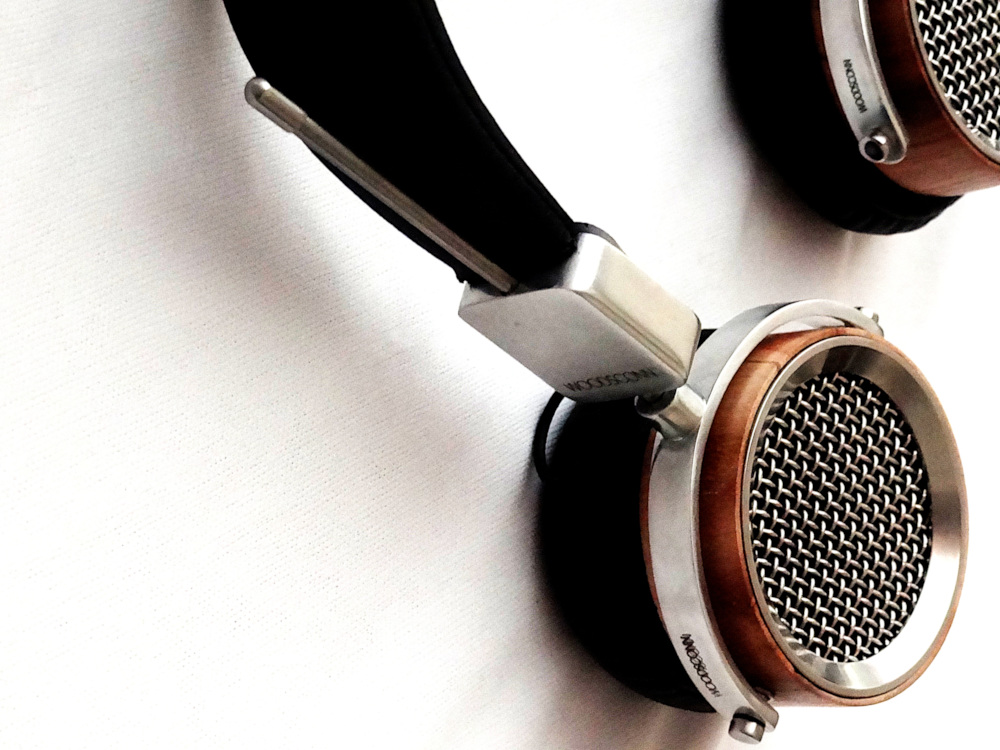
Not all wood is suitable for headphones. Hardwoods like maple, walnut, and ebony are often preferred for their density and acoustic qualities. The challenge lies in:
Consistency: Natural wood varies in grain and density, making it difficult to achieve uniform sound characteristics across different headphone units.
Availability: Exotic woods with rich tonal qualities can be expensive or rare, leading to sourcing issues.
Sustainability: Ethical and eco-friendly sourcing of wood adds another layer of complexity.
Shaping and Carving the Wood
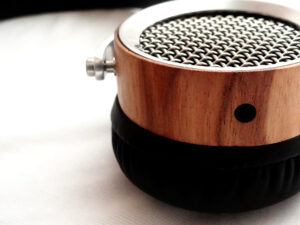
Unlike plastic or aluminum, wood does not bend or mold easily. Achieving precise ear cup shapes and thin walls without cracking the material requires advanced techniques.
Risk of Splintering: Thin sections of wood may break during shaping.
Tool Limitations: Standard industrial tools often need modifications for fine woodworking.
Time-Intensive: Hand-finishing is often required to preserve the natural look and smoothness.
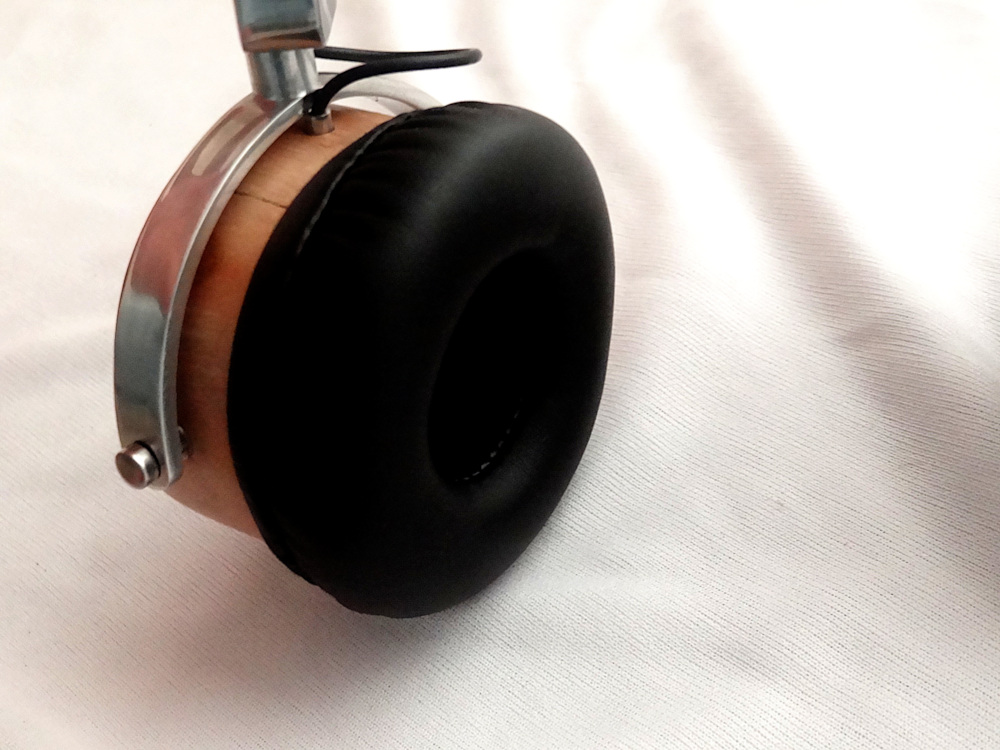
Maintaining Acoustic Balance
Wood resonates differently depending on its grain structure, thickness, and finishing. This creates challenges in delivering consistent sound.
Unpredictable Resonance: Slight differences in wood structure can alter bass response or midrange clarity.
Testing & Tuning: Each unit may require individual testing and fine-tuning to meet audio standards.
Damping Control: Wood can introduce unwanted vibrations that must be managed through design and internal padding.
Durability & Environmental Sensitivity
Wood is more vulnerable to environmental changes compared to metal or plastic.
Moisture Sensitivity: Humidity can cause swelling or warping.
Cracking Risks: Extreme dryness may lead to cracks over time.
Protective Finishes: Applying coatings helps, but must be balanced to avoid altering the natural acoustic properties.
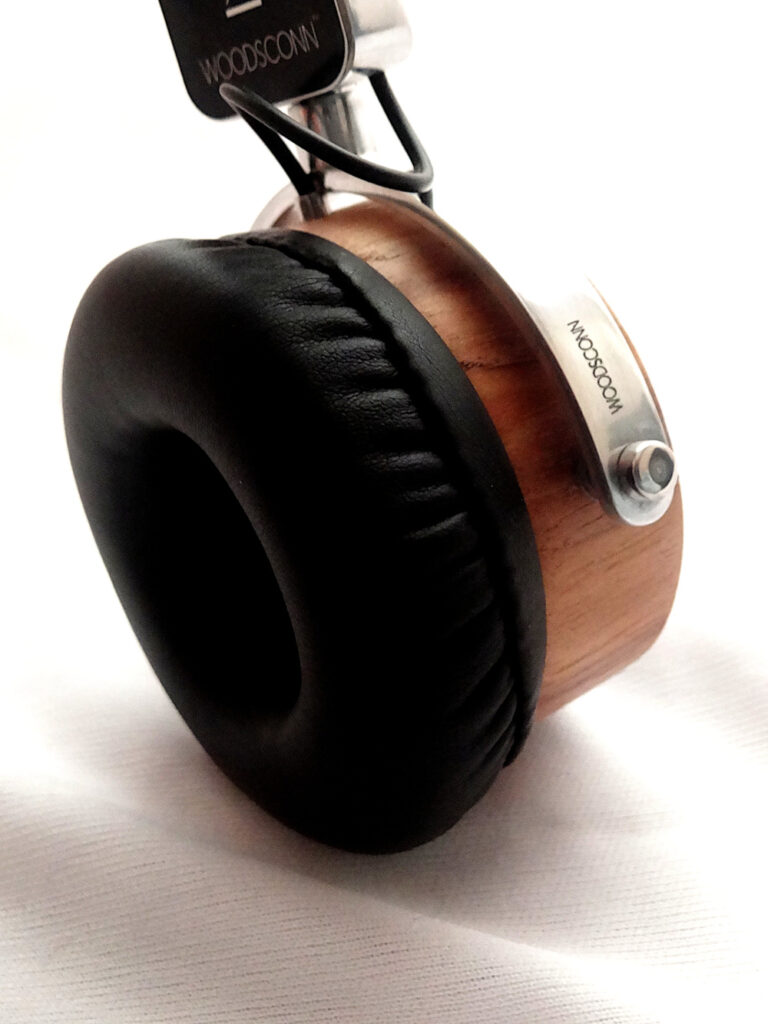
Weight and Comfort Considerations
High-density woods may improve sound quality but can make headphones heavier. This introduces ergonomic challenges.
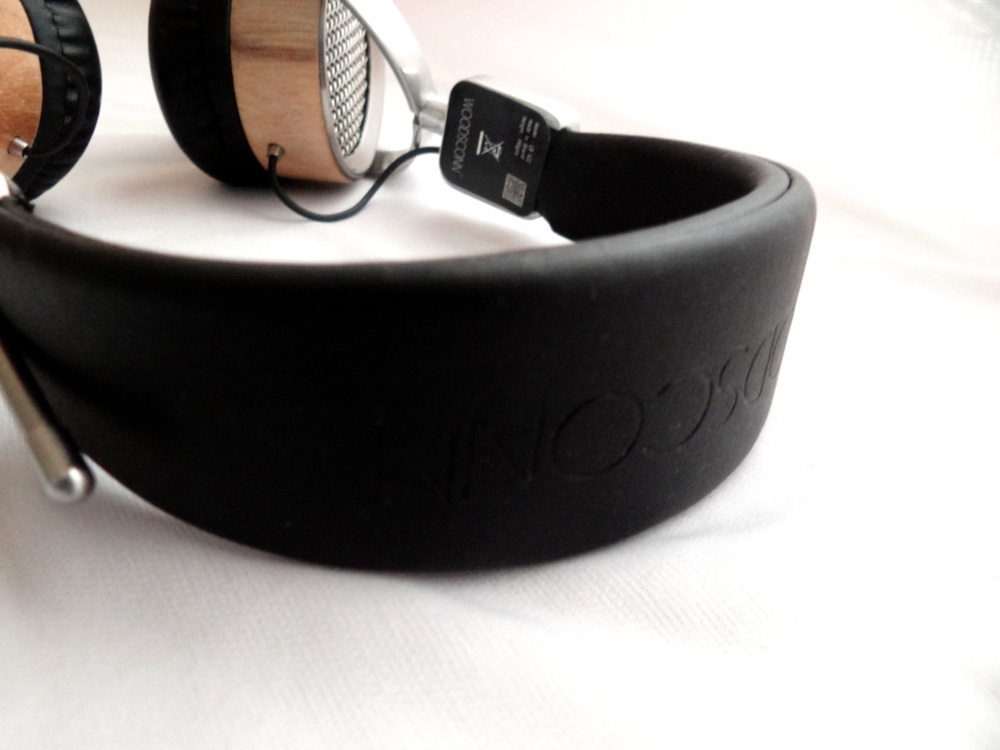
Headband Design: Needs to distribute weight evenly for comfort.
Padding Requirements: Extra cushioning may be needed, adding bulk.
Balancing Act: Finding the sweet spot between durability, sound, and comfort is a constant challenge.
Manufacturing Costs and Scalability
Because of the precision and care required, wood-made headphones are often produced in smaller quantities.
High Labor Costs: Skilled artisans are needed for shaping and finishing.
Lower Scalability: Mass production is harder compared to injection-molded plastic.
Premium Pricing: These challenges result in a higher cost for consumers.
Conclusion
Wood-made headphones are prized for their natural aesthetics and warm, rich sound signature. However, creating them is no easy task. From sourcing the right wood to ensuring durability, comfort, and sound consistency, manufacturers must overcome numerous hurdles. This is why wood headphones often fall into the premium category—they are as much a work of art as they are a piece of audio technology.
For true music lovers, the craftsmanship and unique character of wood-made headphones make these challenges worth it.