1. Selecting the Right Wood
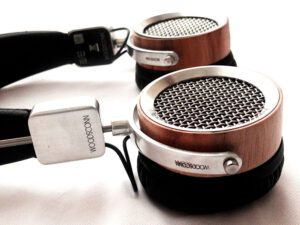
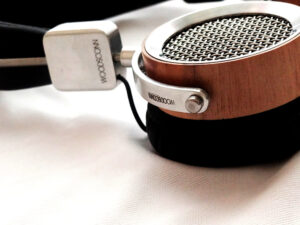
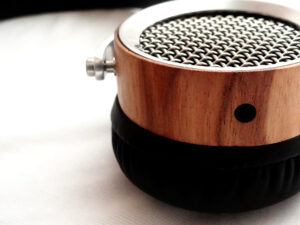
Not all wood is created equal when it comes to headphones. Each type of wood possesses distinct acoustic properties, density, and grain patterns. For example:
• Maple offers a bright, clear sound but is harder to work with.
• Cherry produces a warm, rich tone but may require more curing time.
• Walnut strikes a balance between aesthetics and sound but is prone to cracking if mishandled.
The challenge lies not only in choosing wood that complements sound quality but also in ensuring stability and durability over time.
2. Precision Crafting
Wood is unforgiving. A slight miscut or uneven surface can drastically alter the headphone’s acoustic performance. Craftsmen must meticulously carve, sand, and polish each component, often relying on both traditional hand tools and precision machinery. Achieving symmetry in ear cups is crucial for consistent stereo imaging and comfort.
3. Acoustic Tuning
Unlike plastic or metal, wood resonates naturally. While this can enrich sound, it also introduces unpredictable frequency behavior. Makers must carefully design the headphone cavity and damping system to avoid muddiness or unwanted coloration. Every grain, joint, and thickness adjustment affects the final audio output.
4. Assembly Challenges
Integrating electronics into wooden shells is another hurdle. Drivers, wiring, and connectors must fit perfectly within rigid wooden frames. Even small tensions can lead to vibration or distortion. Additionally, wood expands and contracts with humidity and temperature, requiring clever design solutions to prevent damage over time.
5. Sustainability and Sourcing
Premium wooden headphones often rely on rare or sustainably harvested timber. Responsible sourcing is not just ethical but also essential to maintain long-term supply. Craftsmen face the dual challenge of obtaining quality wood while minimizing environmental impact.
6. Time and Cost
Handcrafted wooden headphones are labor-intensive. Each pair can take days—or even weeks—to complete, depending on the complexity of the design. This meticulous process drives up costs, making these headphones a luxury item rather than a mass-market product.
7. Quality Control
Every pair is unique. Unlike factory-produced headphones, wooden versions require rigorous inspection for cracks, warping, or tonal inconsistencies. Even minor imperfections can affect both aesthetics and performance, demanding a sharp eye and experienced hands at every step.
The Bottom Line
Handmade wooden headphones are more than just audio devices—they are works of art. From selecting the perfect wood to fine-tuning acoustic resonance, every stage presents challenges that test both craftsmanship and engineering. For audiophiles who value sound quality, durability, and artistry, these challenges are a small price to pay for an unparalleled listening experience.